You're prepping a set. You've got a house track at 124 BPM and a techno track at 138. Can you mix them? What about a hip-hop track at 85 and a drum & bass track at 174? The answer is always in the BPM — but only if you know the tempo ranges for each genre.
BPM (beats per minute) is the single most important number in your music library. It determines what mixes with what, how energy flows across a set, and whether your beatmatching sounds clean or falls apart. Yet most DJs and producers rely on guesswork or inconsistent software analysis.
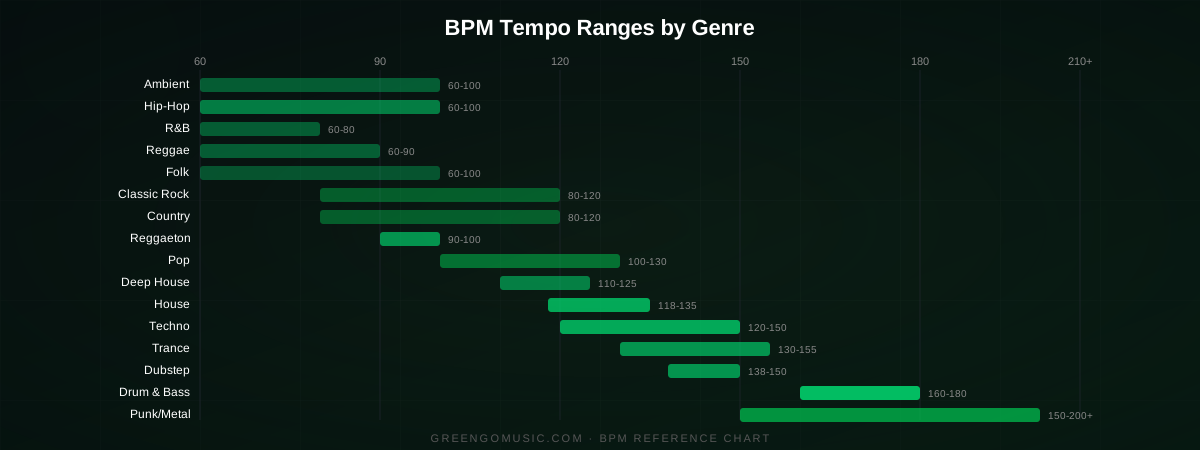
This chart gives you the definitive BPM ranges for every major music genre — from finding the BPM of any track to understanding why your DJ software sometimes gets it wrong. Bookmark it, share it, and use it every time you prep music.
Why BPM Matters: The Universal Language of Tempo
Every piece of music has a tempo. That tempo — measured in beats per minute — tells you how fast the beat is cycling. A track at 120 BPM has 120 beats every 60 seconds, which means one beat every 0.5 seconds. Simple math, but it governs everything about how music feels and how it connects to other tracks.
Tempo ranges exist because genres develop around specific BPM zones. House music settled around 120–130 BPM because that tempo creates a specific physical response on the dancefloor — fast enough to keep energy high, slow enough for groove. Hip-hop gravitates toward 70–90 BPM because that range leaves space for vocals and creates a head-nodding feel. Drum & bass lives at 160–180 BPM because the half-time feel (80–90 BPM) gives the MC room to breathe while the drums drive at double speed.
Understanding these ranges lets you:
- Predict compatibility before you even load a track into your DJ software
- Build energy arcs that flow naturally across a set
- Avoid clashing tempos that kill the dancefloor
- Sort your library by genre and energy level simultaneously
- Choose the right samples when producing in a specific genre
If your library isn't properly tagged with BPM, you're flying blind. Tools like GreenGo's track analysis can batch-detect BPM across your entire collection, but you still need to know what those numbers mean in context.
The Master BPM Chart: Every Genre at a Glance
Here's the full reference. Use this table as your go-to guide when sorting tracks, planning sets, or producing in a new genre.
| Genre | BPM Range | Common BPM | Energy Level |
|---|---|---|---|
| House | 118–135 | 124–128 | High |
| Deep House | 110–125 | 118–122 | Medium |
| Tech House | 120–130 | 125–128 | High |
| Techno | 120–150 | 130–140 | High |
| Trance | 130–155 | 138–144 | High |
| Drum & Bass | 160–180 | 174–176 | Very High |
| Dubstep | 138–150 | 140 | High |
| UK Garage | 130–135 | 130–132 | High |
| Breakbeat | 130–150 | 135–140 | High |
| Hardstyle | 148–155 | 150 | Very High |
| Hardcore | 160–200+ | 180–190 | Extreme |
| Ambient | 60–100 | 70–80 | Low |
| Hip-Hop | 60–100 | 80–90 | Medium |
| Trap | 130–160 | 140–150 | High |
| Boom Bap | 80–95 | 88–92 | Medium |
| Drill | 130–145 | 140 | High |
| R&B | 60–80 | 65–75 | Low |
| Punk | 150–200 | 170–180 | Very High |
| Hard Rock | 100–140 | 120–130 | High |
| Heavy Metal | 100–160 | 120–140 | High |
| Thrash Metal | 160–220 | 180–200 | Extreme |
| Indie Rock | 90–130 | 110–120 | Medium |
| Classic Rock | 80–120 | 100–110 | Medium |
| Pop | 100–130 | 115–125 | Medium-High |
| Country | 80–120 | 100–110 | Medium |
| Folk | 60–100 | 75–85 | Low |
| Reggaeton | 90–100 | 95–96 | High |
| Salsa | 160–200 | 180–190 | Very High |
| Bachata | 60–120 | 80–100 | Medium |
| Merengue | 120–160 | 130–140 | High |
| Cumbia | 80–100 | 90 | Medium |
| Brazilian Funk | 130–150 | 140–145 | High |
| Classical | 40–200+ | Varies | Varies |
| Jazz | 60–200 | 120–140 | Varies |
| Blues | 60–100 | 70–80 | Low |
| Reggae | 60–90 | 70–80 | Low-Medium |
| Dancehall | 90–115 | 100–110 | Medium-High |
| Afrobeats | 100–115 | 105–110 | Medium-High |
| K-Pop | 100–135 | 120–130 | High |
| Funk | 100–120 | 110–115 | Medium-High |
| Disco | 110–130 | 120–124 | High |
Note: "Common BPM" represents the sweet spot — where most tracks in that genre land. Individual tracks can fall outside these ranges, especially in genres like classical and jazz where tempo varies widely within a single piece.
Electronic Music BPM Ranges
Electronic music has the most tightly defined BPM ranges of any genre family. Producers build tracks around specific tempos because DJ mixing requires tempo compatibility — you can't smoothly blend a 90 BPM deep house track into a 174 BPM drum & bass track without a hard cut.
House Music BPM
House music sits at 118–135 BPM, with the vast majority landing between 124 and 128. This is the tempo that defined dance music — fast enough to keep a crowd moving, slow enough to maintain groove and let the bassline breathe. Deep house dips lower (110–125), while tech house and bass house push toward the upper end (125–132).
If you're mixing house, you can comfortably blend tracks within a 5 BPM window without pitch-shifting. Beyond that, you'll need to use key lock to avoid warping the audio when adjusting tempo.
Techno BPM
Techno spans 120–150 BPM, but the genre's center of gravity has shifted upward over the years. Modern techno mostly lives at 130–140 BPM, with harder subgenres pushing past 145. The driving, repetitive nature of techno means even small BPM changes feel significant — a 132 BPM track and a 138 BPM track create noticeably different energies on the floor.
According to Beatport, the world's largest electronic music store, techno tracks are consistently tagged and sorted by BPM, making it one of the most tempo-conscious genres in existence.
Drum & Bass and Dubstep
Drum & bass operates at 160–180 BPM, with 174–176 being the genre's unofficial standard. The trick is that DnB often feels like 85–90 BPM because the kick and snare land on the half-time. This is why DnB mixes well with hip-hop in open-format sets — the half-time feel matches.
Dubstep sits at 138–150 BPM (typically 140), but almost always feels like 70 BPM because the kick-snare pattern is half-time. This half-time feel is what gives dubstep its heavy, swinging groove.
Hip-Hop, R&B and Trap BPM Ranges
Hip-hop is one of the most tempo-diverse genres, ranging from 60 BPM slow jams to 160 BPM trap bangers. The BPM directly affects the vocal delivery — slower tempos allow for more intricate wordplay, while faster tempos force a more rhythmic, repetitive flow.
Traditional Hip-Hop and Boom Bap
Classic hip-hop and boom bap sit at 80–95 BPM. This is the tempo of golden-era rap — think 90s East Coast production. The mid-tempo groove creates space for lyrics while maintaining a head-nodding rhythm. Most boom bap beats cluster tightly around 88–92 BPM.
Trap BPM
Trap is where things get interesting. The actual BPM is 130–160, but it feels like 65–80 because the hi-hats and kicks create a half-time feel. A trap track at 140 BPM and a hip-hop track at 70 BPM can mix together seamlessly because they share the same perceived tempo.
This is why understanding how BPM detection works matters — some DJ software will read a trap track as 70 BPM (half-time) while others read 140. Both are technically correct, but inconsistent readings across your library will wreck your sorting.
R&B
R&B runs slow at 60–80 BPM. The genre prioritizes mood and vocal performance over dancefloor energy. Modern R&B sometimes pushes toward 80–90 BPM with more upbeat production, but the core range remains low-tempo.
Rock and Metal BPM Ranges
Rock and metal have the widest tempo spread of any genre family. A ballad might sit at 65 BPM while a blast-beat death metal track hits 220+. The BPM in rock is driven by the drum pattern and the rhythmic feel of the guitars.
Classic and Indie Rock
Classic rock ranges from 80–120 BPM, with most radio hits landing around 100–110. Indie rock is similar, typically 90–130 BPM. These tempos match the natural walking pace and heart rate of a relaxed listener, which is why rock feels "comfortable" to most people.
Punk and Metal
Punk kicks things up to 150–200 BPM — fast, aggressive, and designed to create chaos in the pit. Heavy metal sits at 100–160, but thrash and death metal push well past 180. Extreme metal genres like grindcore can exceed 220 BPM, though these tempos are often felt in half-time by listeners.
As Wikipedia's tempo reference notes, classical tempo markings like "Allegro" (120–168 BPM) and "Presto" (168–200 BPM) directly map to modern rock and metal ranges — the language of tempo hasn't changed, even if the instruments have.
Pop, Country and Folk BPM Ranges
Pop music is designed for mass appeal, and its BPM range reflects that. Most pop tracks sit at 100–130 BPM — fast enough to feel energetic, slow enough to sing along. Country music runs slightly slower at 80–120 BPM, while folk and acoustic music can drop to 60 BPM.
Pop producers are highly strategic about BPM. A track at 120 BPM feels upbeat and danceable. Drop to 100 BPM and it feels more contemplative. Push to 128 and it becomes club-ready. These choices aren't accidental — they're calibrated to the target audience and listening context.
K-Pop, which blends pop with electronic and hip-hop elements, typically runs at 100–135 BPM, often shifting tempos within a single track to create dynamic section changes.
Latin Music BPM Ranges
Latin music encompasses a huge range of tempos because it covers so many sub-genres. Reggaeton's dembow rhythm locks it to 90–100 BPM (typically 95–96), while salsa can hit 180+ BPM with its dense percussion arrangements.
Reggaeton's tight BPM range is a defining feature — the dembow beat (a 3-3-2 rhythmic pattern) only works within a narrow tempo window. This is why almost every reggaeton track you hear sits between 92 and 98 BPM.
Brazilian funk runs faster at 130–150 BPM, while cumbia sits at a comfortable 80–100. Bachata is the most versatile, ranging from 60 to 120 BPM depending on whether it's a romantic ballad or an uptempo dance track.
Classical and Jazz BPM Ranges
Classical music uses Italian tempo markings rather than BPM, but these map to specific ranges. A largo might be 40–60 BPM, an andante 76–108, an allegro 120–168, and a presto 168–200+. The key difference: classical pieces change tempo within movements, and expressive performance involves deliberate tempo rubato (push and pull).
Jazz spans 60–200 BPM. Slow jazz ballads sit at 60–80, while bebop can hit 200+ BPM. The swing feel in jazz means the actual beat subdivision doesn't match the notated BPM exactly — a 120 BPM jazz track swings differently than a 120 BPM pop track.
For DJs and producers working with classical or jazz samples, sorting loops by BPM becomes essential — these genres don't follow the tight tempo conventions of electronic music.
How to Use BPM Charts for DJ Mixing
Knowing the BPM ranges is only half the battle. The real skill is using them to plan sets that flow. Here's how:
The 8% Rule
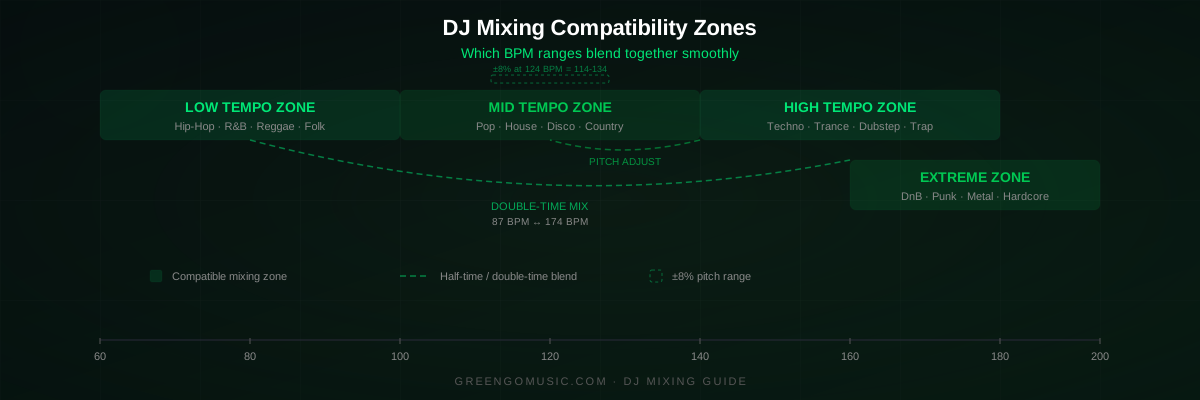
Most DJ software allows ±8% pitch adjustment before the audio starts sounding noticeably warped. At 124 BPM, that's a range of about 114–134 BPM. So a house track at 124 can mix with anything in that window — but push beyond it and the track sounds wrong.
Half-Time Mixing
Tracks at double or half BPM can mix together because the beats align every other bar. A hip-hop track at 87 BPM mixes perfectly with a drum & bass track at 174 BPM. A trap track at 70 BPM (half-time feel) mixes with house at 140 BPM. This is how open-format DJs transition between genres that seem incompatible.
Energy Management
Use BPM to control energy across your set. Start low (90–100 BPM), build through the mid-range (120–130), and peak at 128–140 before bringing it back down. Jumping from 90 to 140 BPM in one mix kills the floor — but a gradual climb over 30 minutes keeps everyone locked in.
For a complete framework on this, check out our guide to open-format DJ set prep — it covers exactly how to sequence tracks across genres and tempos.
Library Organization
Sort your library by BPM within genre tags. This lets you quickly find tracks in a compatible tempo range when you're mixing live. Tools like batch audio taggers can fill in BPM across your entire collection automatically, so you're not manually tapping tempo for 5,000 tracks.
And if your BPM data is inconsistent — some tracks showing half-time, others showing full — our guide on ID3 metadata explains how to fix it so your DJ software reads everything correctly.
How to Use BPM Charts for Music Production
Producers use BPM charts differently than DJs. When you're making a track, the BPM you choose determines the genre before you even write a note. Setting your DAW to 174 BPM tells you you're making drum & bass. Setting it to 140 says dubstep or trap. Setting it to 124 says house.
Choosing the Right Tempo
Before starting a production, decide what genre you're working in and set your BPM to the genre's sweet spot. This isn't a rule — you can make house at 115 or 132 — but the sweet spot exists because that's where the genre's rhythmic elements feel best. A house groove at 124 has a specific pocket that disappears at 110 or 140.
Sample Compatibility
When layering samples, BPM compatibility matters. A drum loop at 90 BPM won't sit right over a bassline at 124 BPM without time-stretching. BPM-sorted sample libraries solve this — you grab loops that already match your project tempo.
Genre Blending
Want to make a hip-hop track with a house feel? Set your BPM to 120–125 and use hip-hop drum patterns at half-time (60–62.5 perceived BPM). This is how genres like future bass and tropical house were born — producers took elements from one genre and placed them at another genre's tempo.
For more on this, our DJ workflow guide covers how BPM analysis fits into the broader production and performance pipeline.
FAQ
What is the standard BPM for house music?
House music typically runs at 118–135 BPM, with the vast majority of tracks landing between 124 and 128 BPM. Deep house dips lower to 110–125, while tech house and bass house push toward 125–132. If you're mixing house, a 5 BPM window (e.g., 122–128) gives you the smoothest blends without noticeable pitch-shifting.
What is the BPM range for hip-hop?
Hip-hop spans 60–100 BPM, with traditional boom bap sitting at 80–95 BPM and modern trap running at 130–160 BPM (felt as 65–80 BPM in half-time). The wide range exists because hip-hop prioritizes vocal delivery — slower tempos allow for more lyrical complexity, while faster tempos create higher energy.
What BPM is techno?
Techno ranges from 120 to 150 BPM, but modern techno mostly sits at 130–140 BPM. Harder subgenres like hard techno push past 145, while minimal and dub techno can dip to 125. The genre's repetitive structure means even a 2–3 BPM difference creates a noticeably different feel on the dancefloor.
Can you mix tracks with different BPMs?
Yes, within limits. Most DJ software allows ±8% pitch adjustment, so a 124 BPM track can mix with anything from about 114 to 134 BPM. You can also mix tracks at double or half BPM (e.g., 87 BPM hip-hop with 174 BPM drum & bass) because the beats align every other bar. Beyond these ranges, you'll need to use hard cuts or echo-outs rather than beatmatching.
Why does my DJ software show the wrong BPM?
DJ software often detects half-time BPM for genres like trap, dubstep, and drum & bass. A trap track at 140 BPM might show as 70 BPM, or a DnB track at 174 might show as 87. Both readings are technically correct, but inconsistent readings across your library make sorting and mixing harder. Using a dedicated BPM analysis tool that standardizes detection across all genres solves this problem.
How do I find the BPM of any song?
You can use tap tempo (manual tapping), DJ software analysis, or dedicated BPM detection software. For accuracy across a large library, batch analysis tools like GreenGo's track analysis detect BPM automatically and write it directly to your file metadata. See our guide on finding the BPM of any song for a full comparison of methods.